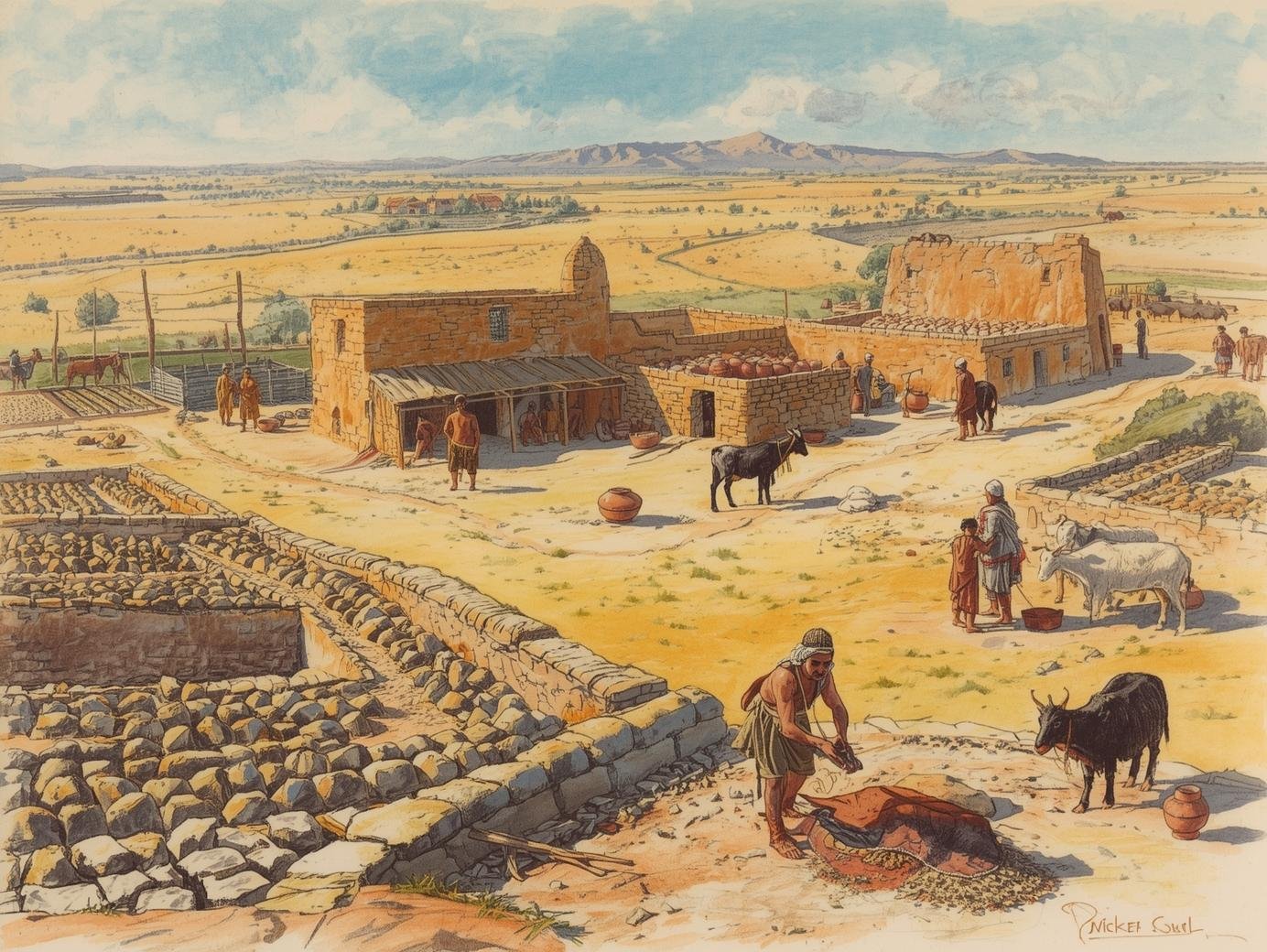
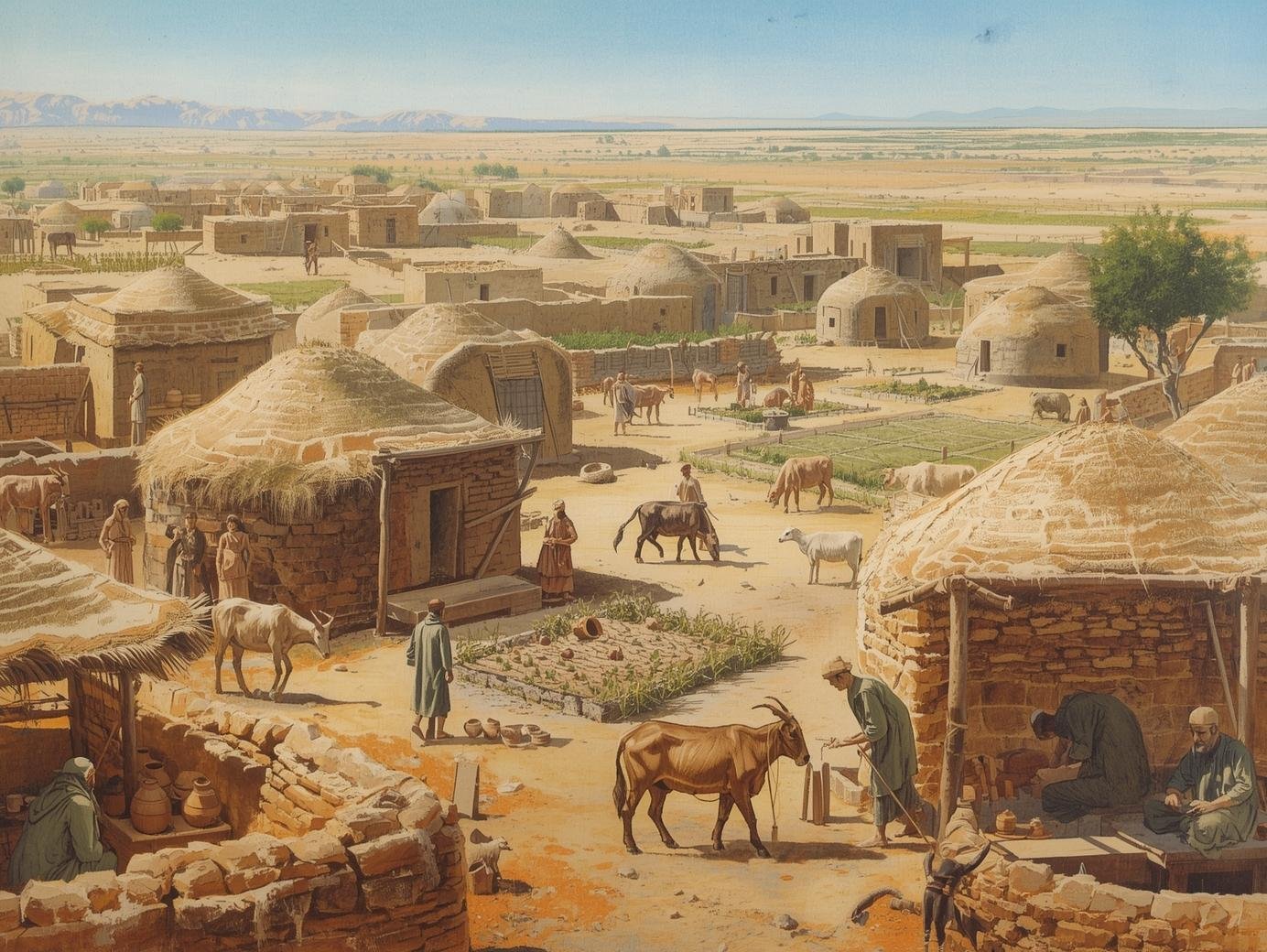
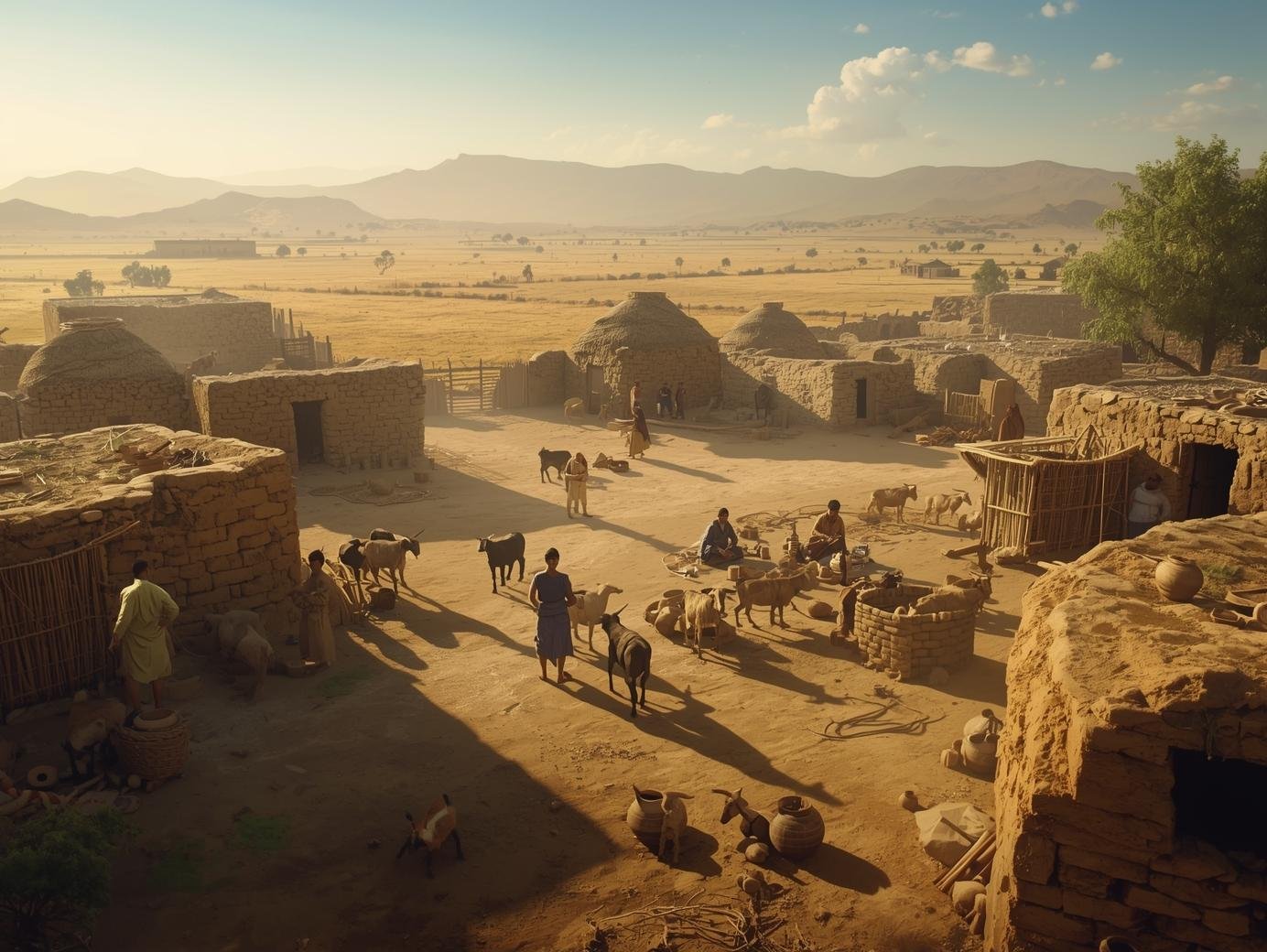
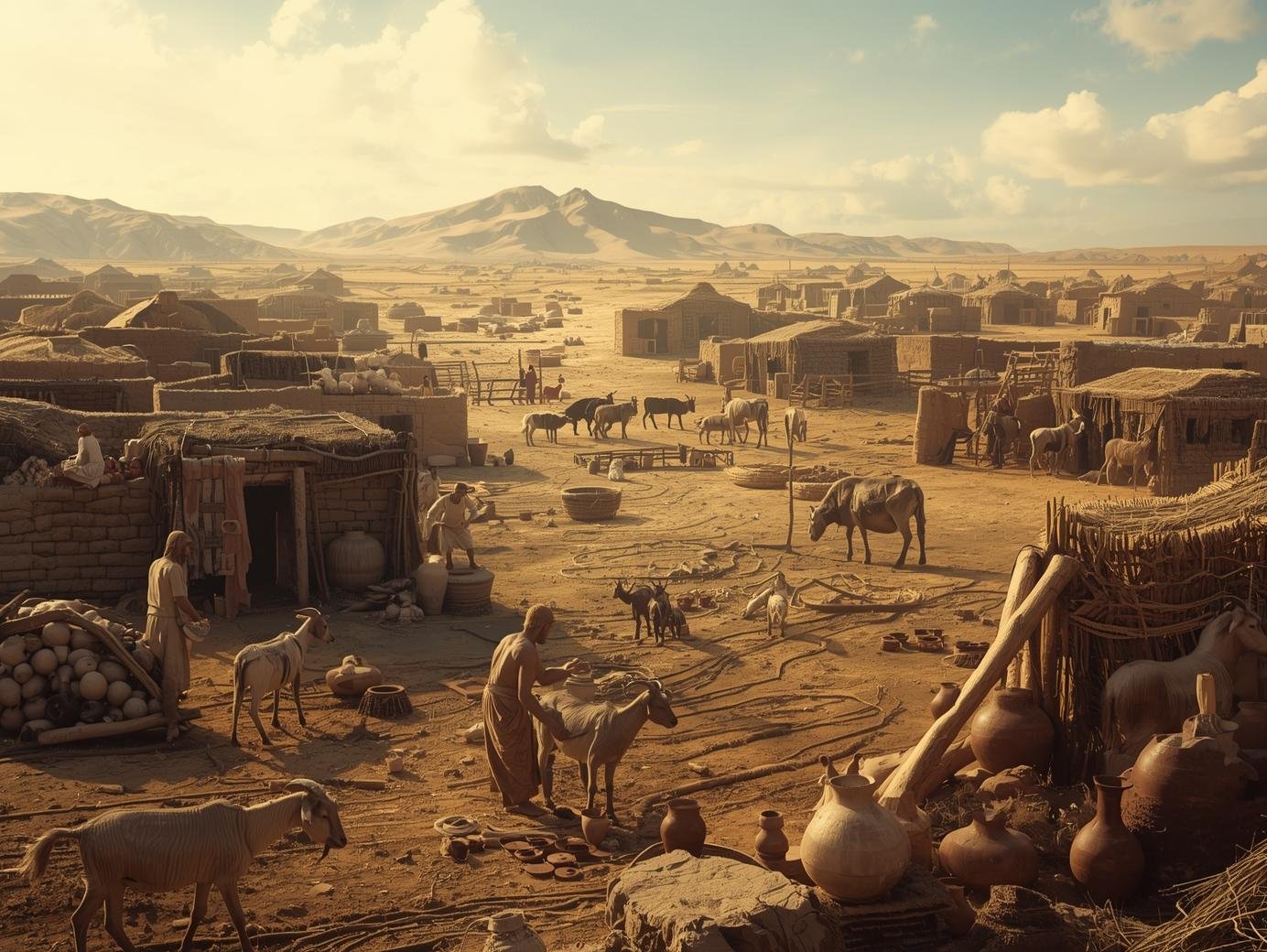
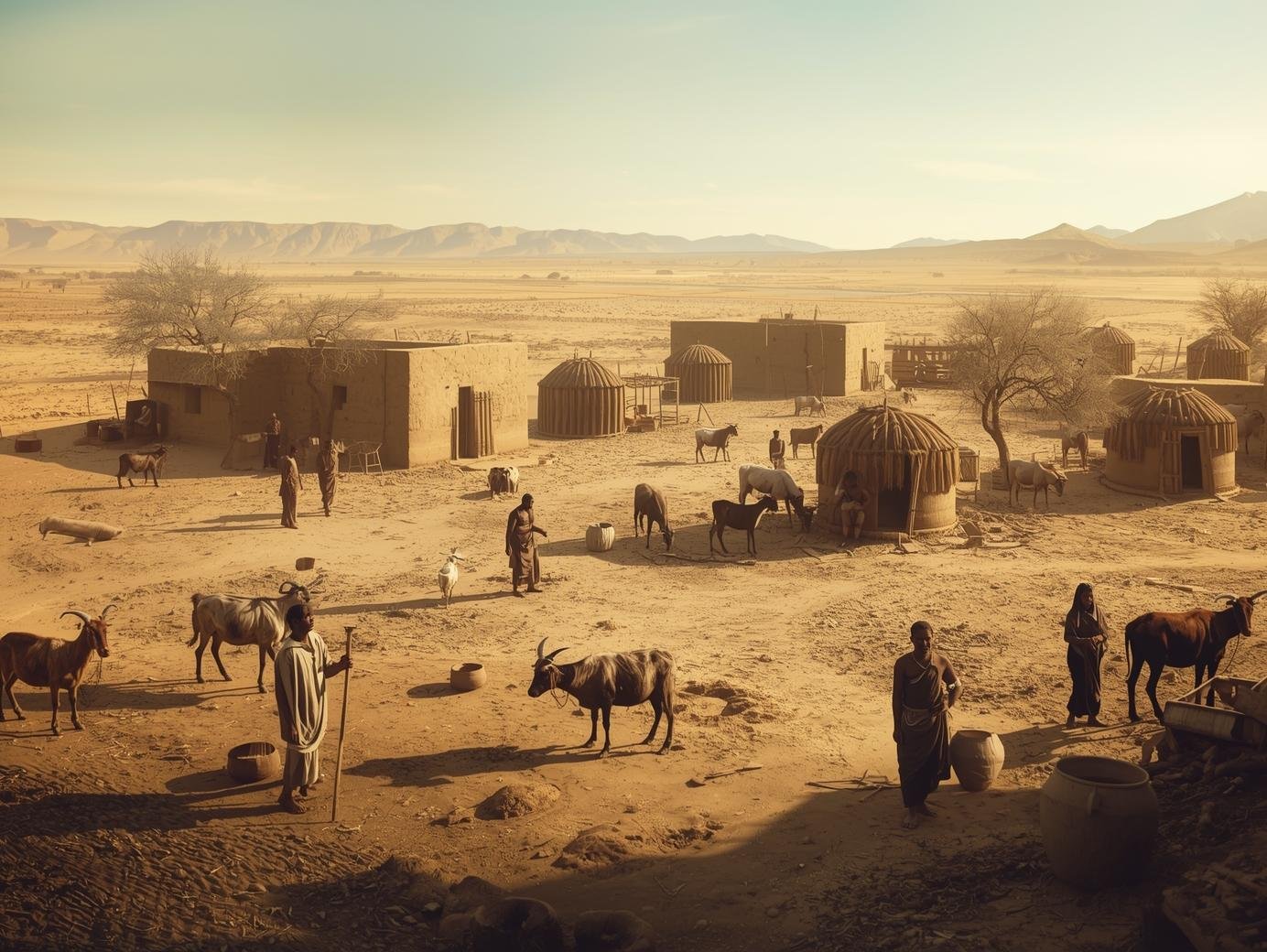
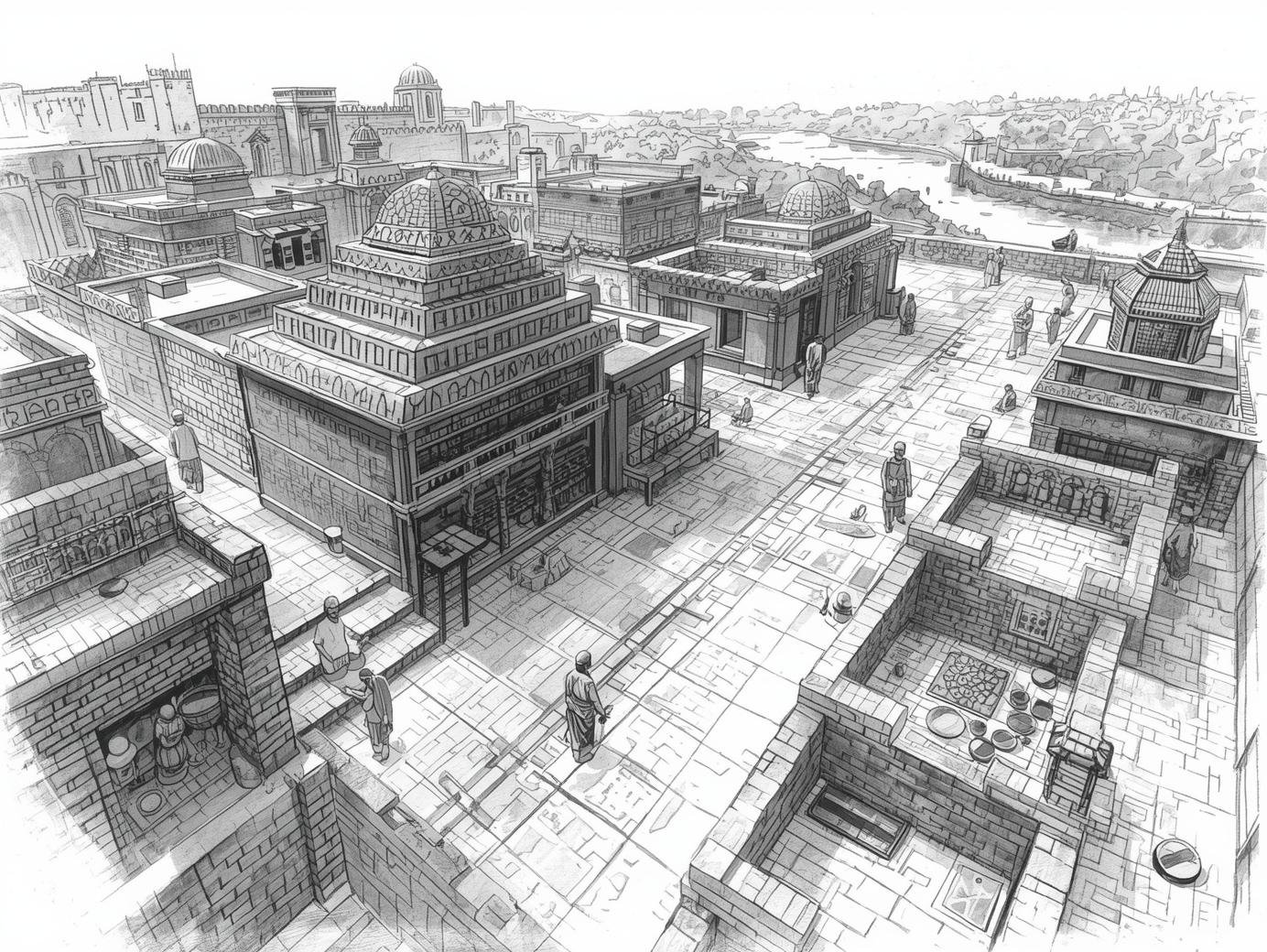
Mehrgarh, located in present-day Balochistan, is one of the earliest known farming settlements in South Asia. The inhabitants practiced early agriculture and animal domestication, developed pottery, bead-making, and simple architecture, laying the foundation for later urban civilizations. Mehrgarh represents the beginning of settled life in the Indus region, highlighting human ingenuity and craft from the Neolithic era.
(Neolithic, ~7000–2600 BCE)
Mehrgarh Pottery
The Dawn of Craftsmanship
The artisans of Mehrgarh pioneered South Asia’s earliest pottery traditions. From simple hand-shaped clay vessels to intricate designs created on the potter’s wheel, their work reflected both creativity and daily life. Featuring animal motifs, female figurines, and pipal leaf patterns, Mehrgarh pottery showcases the rise of artistic expression and technical mastery — marking the very beginning of craftsmanship in the Indus region.
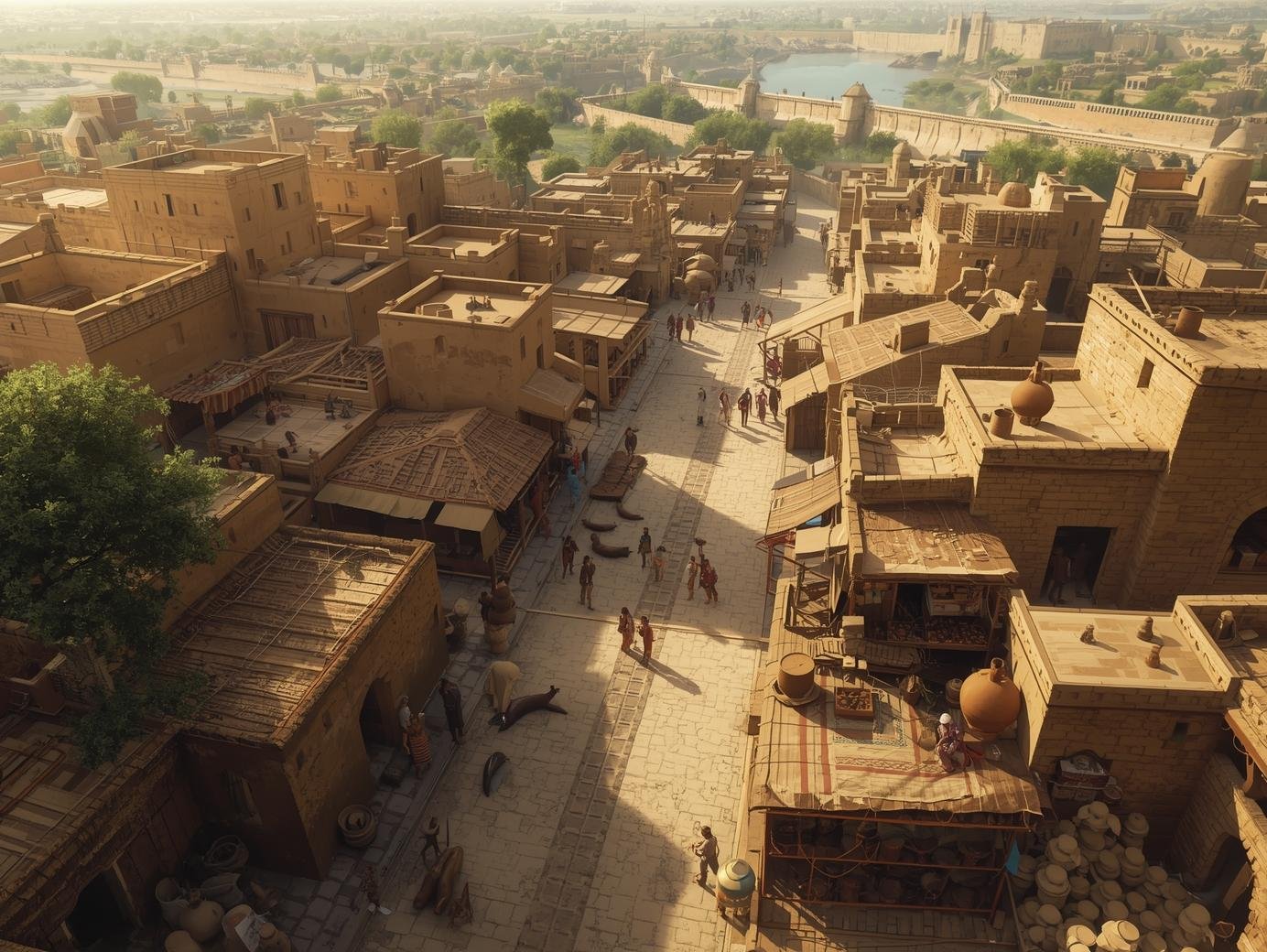
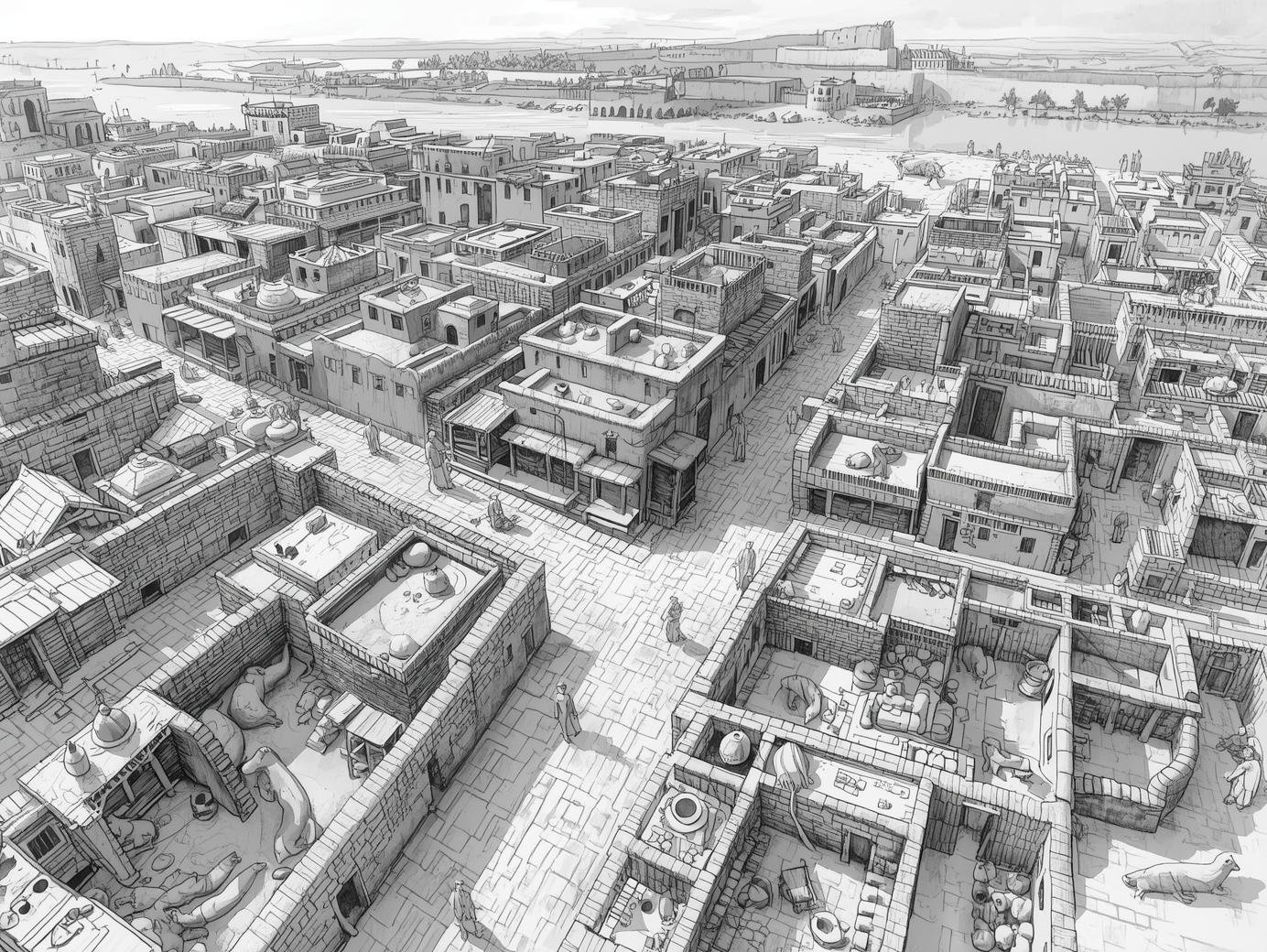
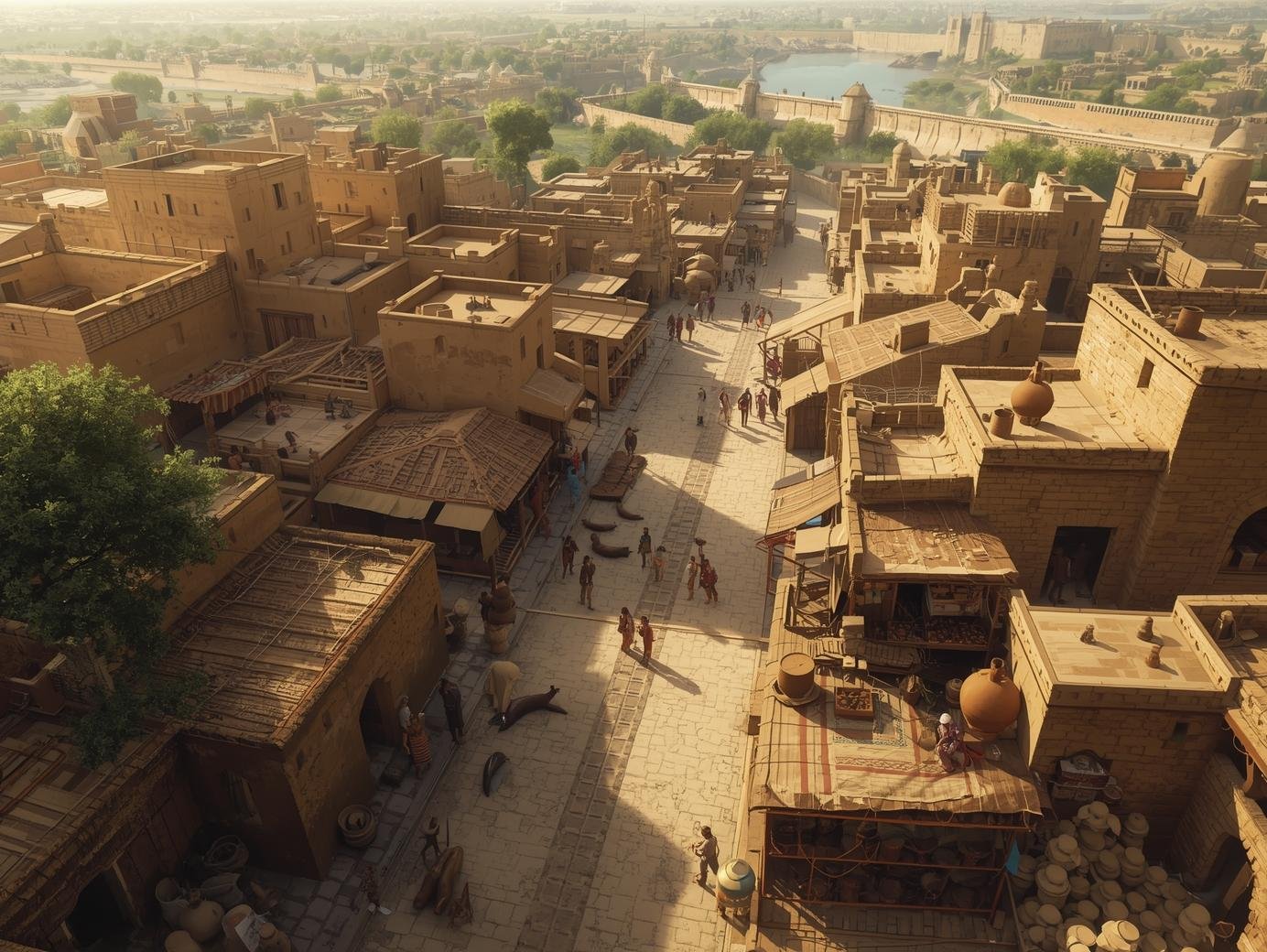
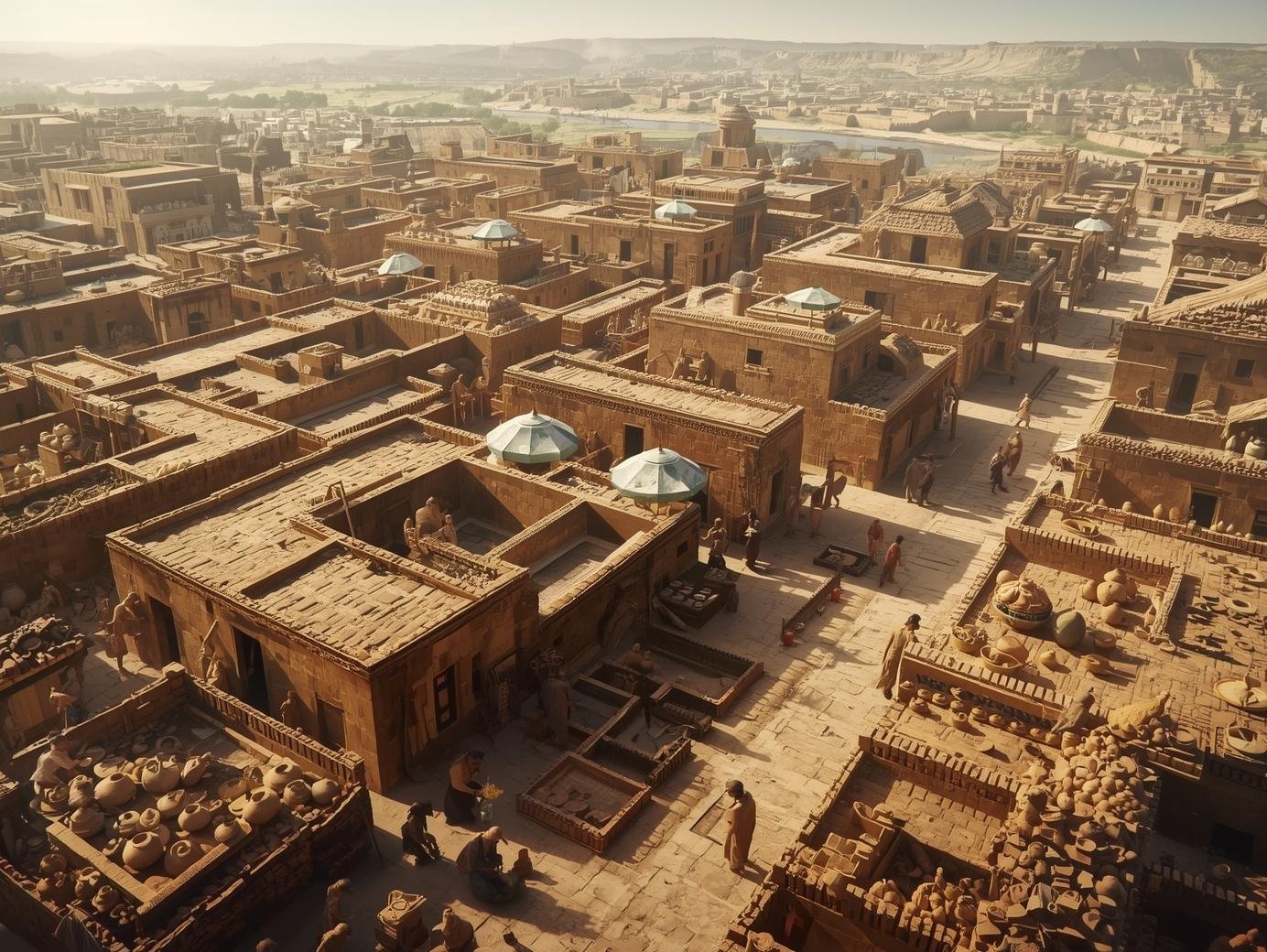
The Indus Valley Civilization, centered around Harappa and Mohenjo-Daro, is renowned for its planned cities, advanced drainage systems, and uniform brick construction. Society thrived on trade, agriculture, and craft, producing pottery, jewelry, and seals. This civilization showcases early urbanization and sophisticated civic management, reflecting the ingenuity of the Indus people.
(Harappan, ~3300–1300 BCE)
Indus Valley Craftsmanship
The Indus Valley Civilization was a hub of artistic and technical brilliance. Archaeologists have uncovered pottery, terracotta figurines, bronze vessels, gold jewelry, and engraved seals that reveal the creativity of its people. The Harappans were skilled in bead-making, shell work, ceramics, and metalcraft, producing ornaments like necklaces and bangles that still inspire South Asian artisans today.
Gandhara Civilization
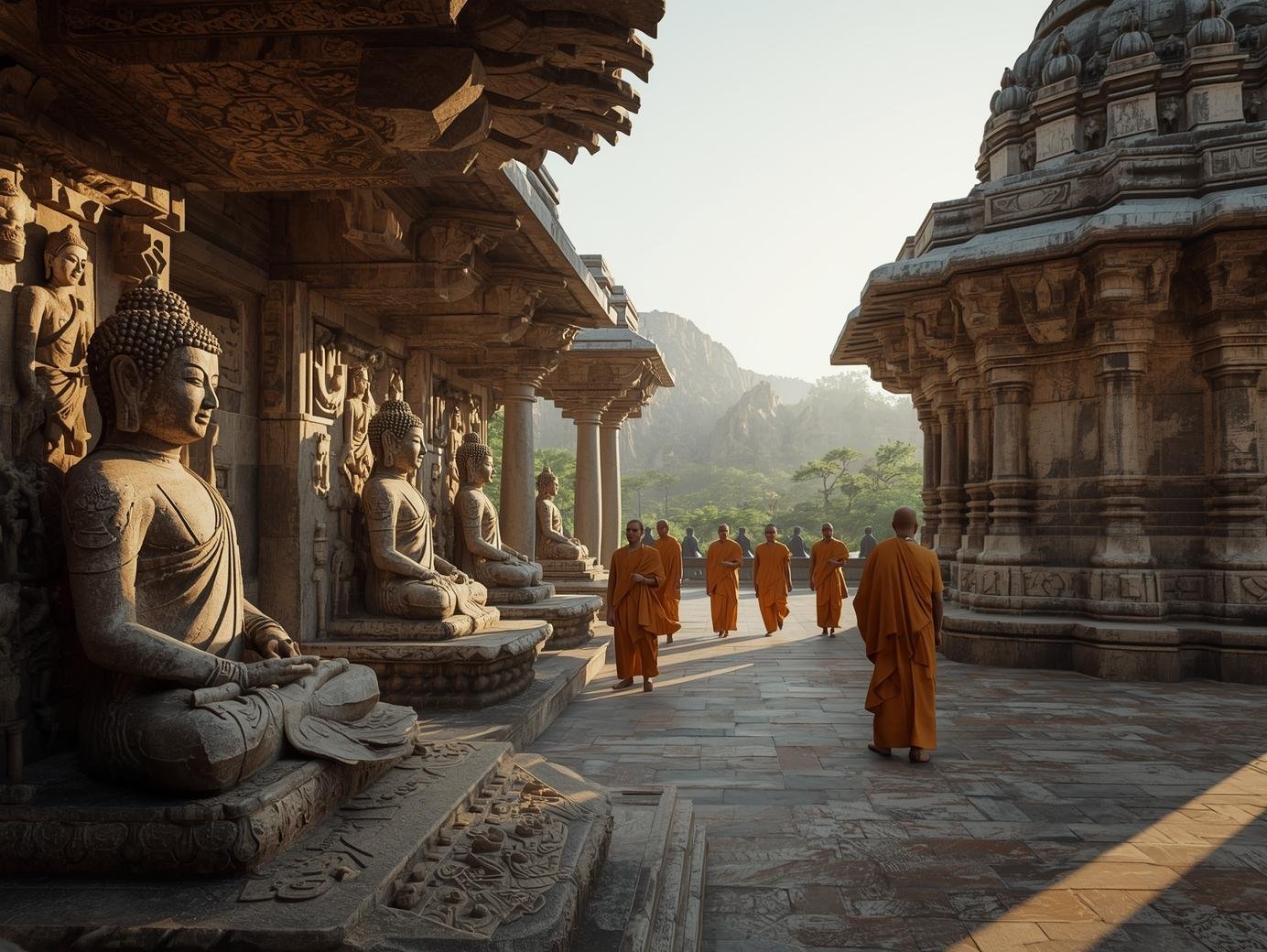
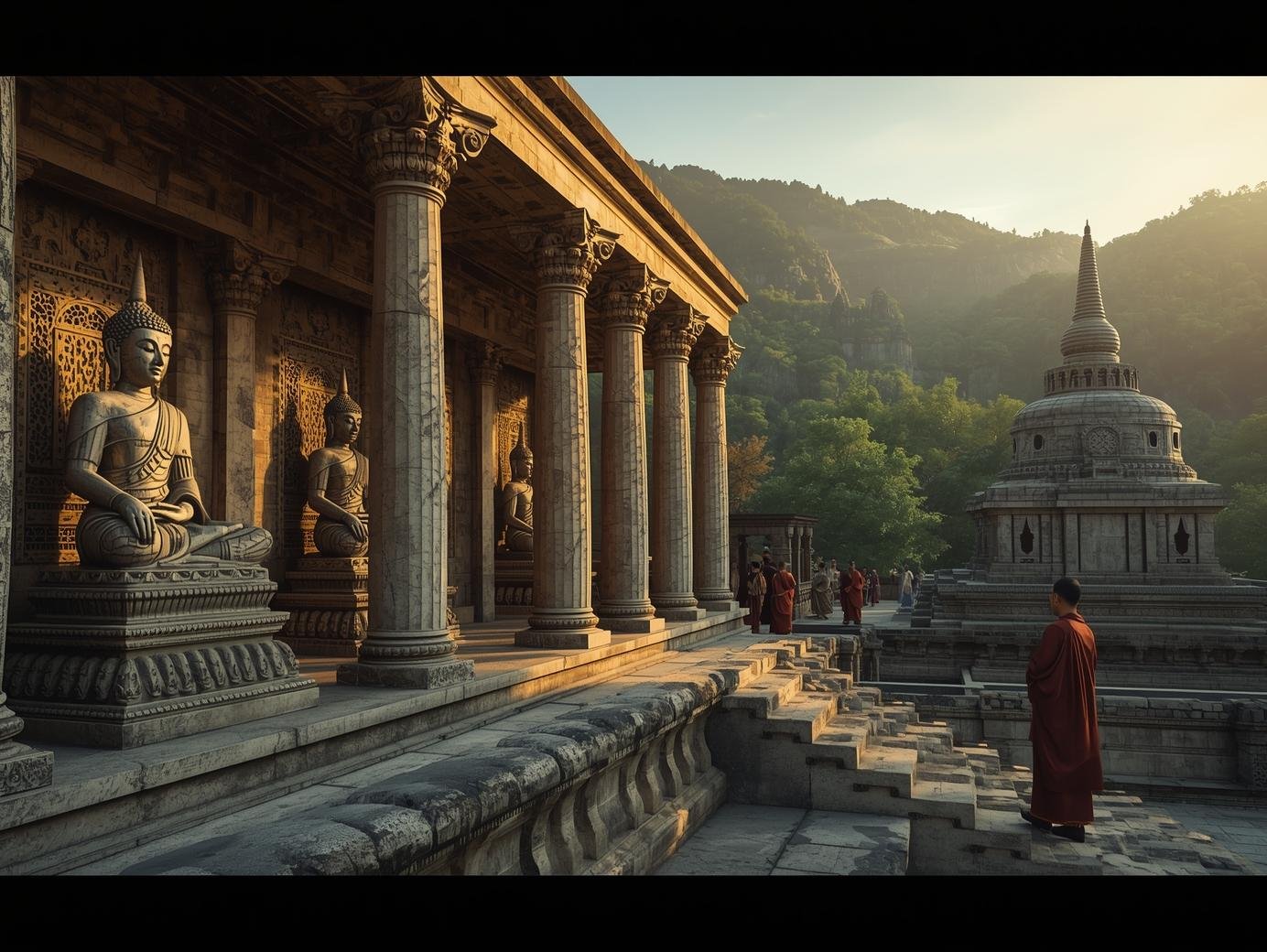
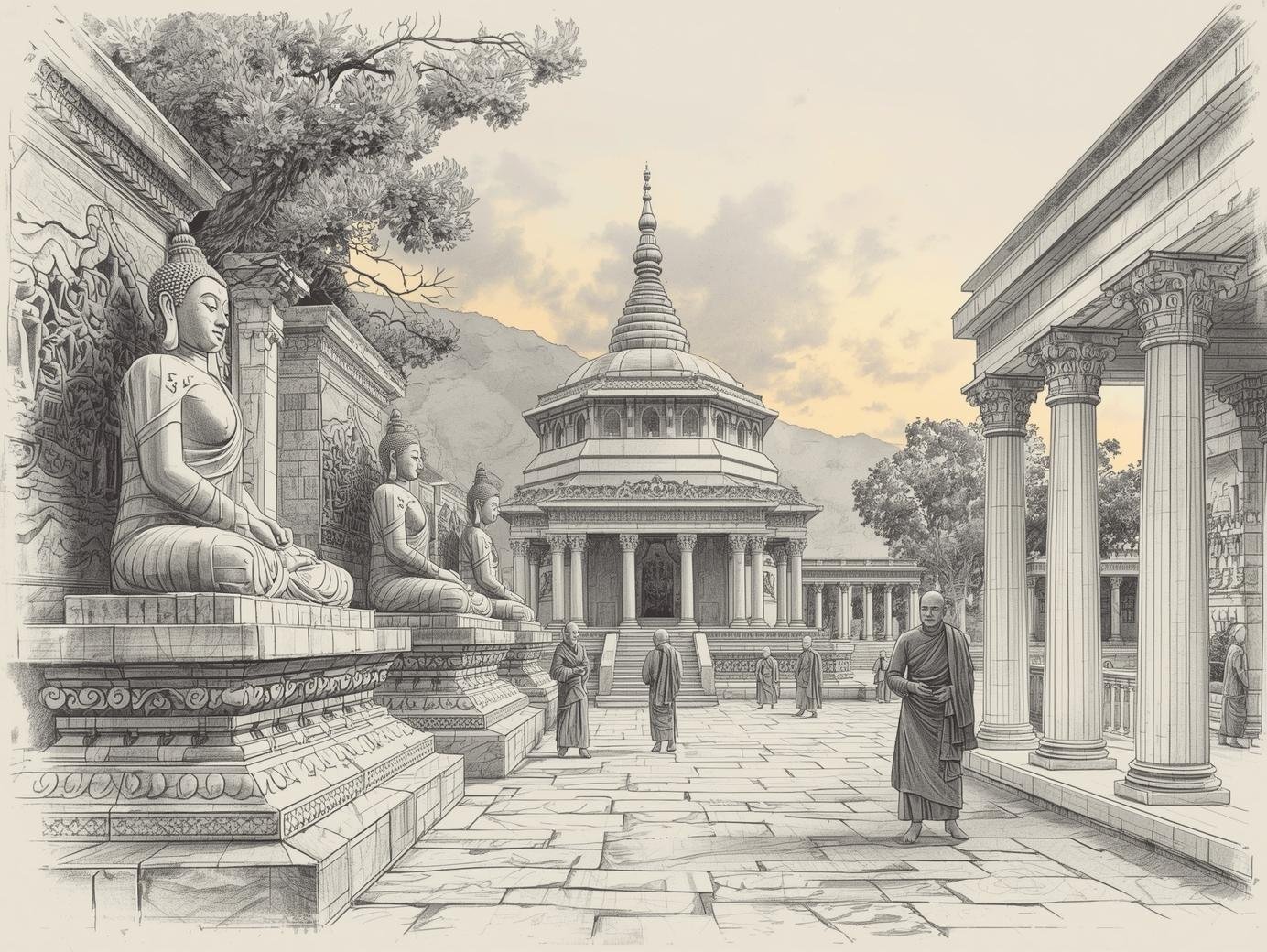
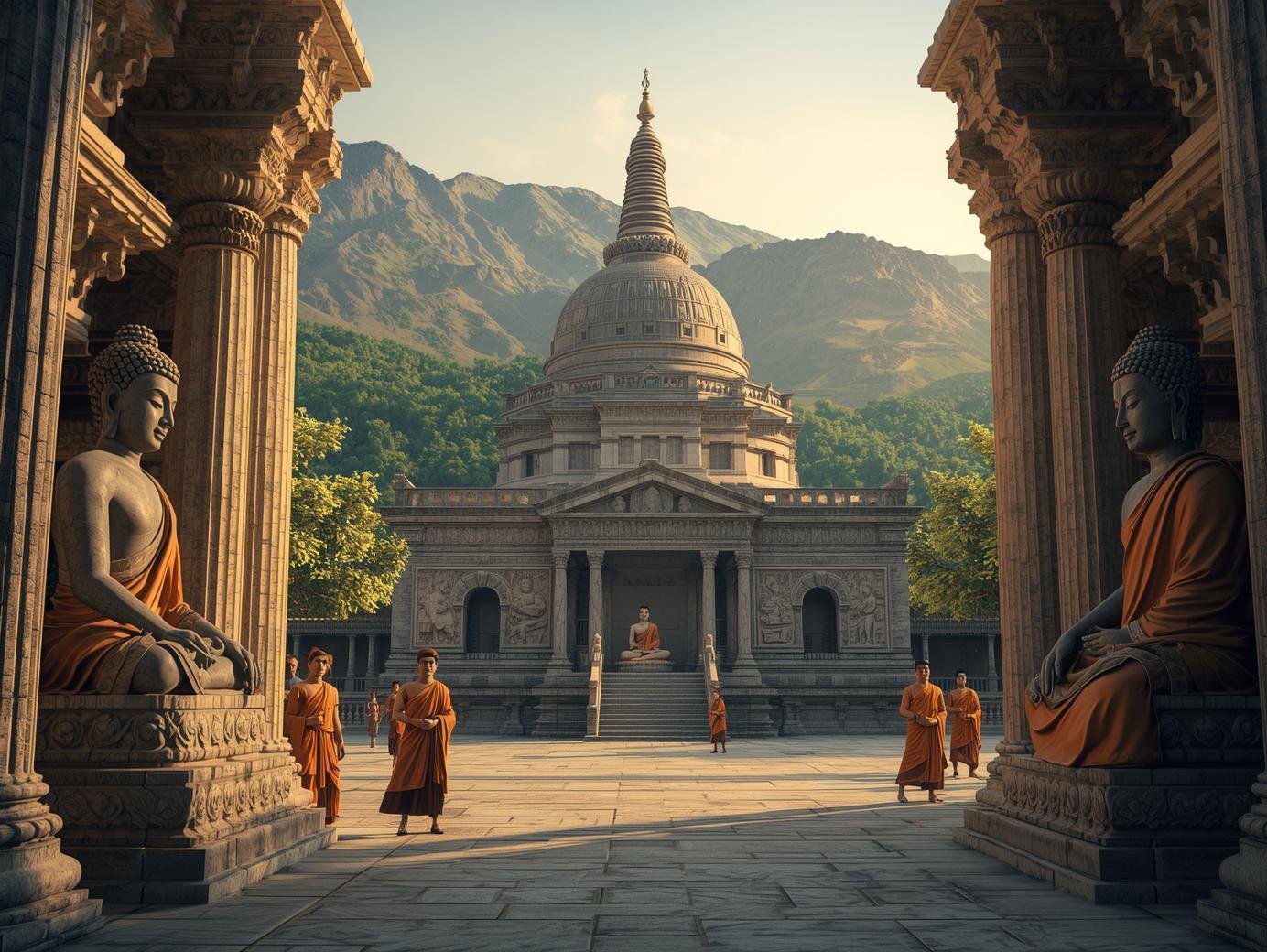
The Gandhara Civilization, in modern northwestern Pakistan, is known for its unique blend of Greek, Persian, and Indian influences, particularly in Buddhist art and architecture. Gandhara sculptors produced stone carvings, stupas, and monasteries, contributing significantly to the spread of Buddhism and cultural syncretism in South Asia.
(~1st millennium BCE – 11th century CE)
Where East Met West in Art
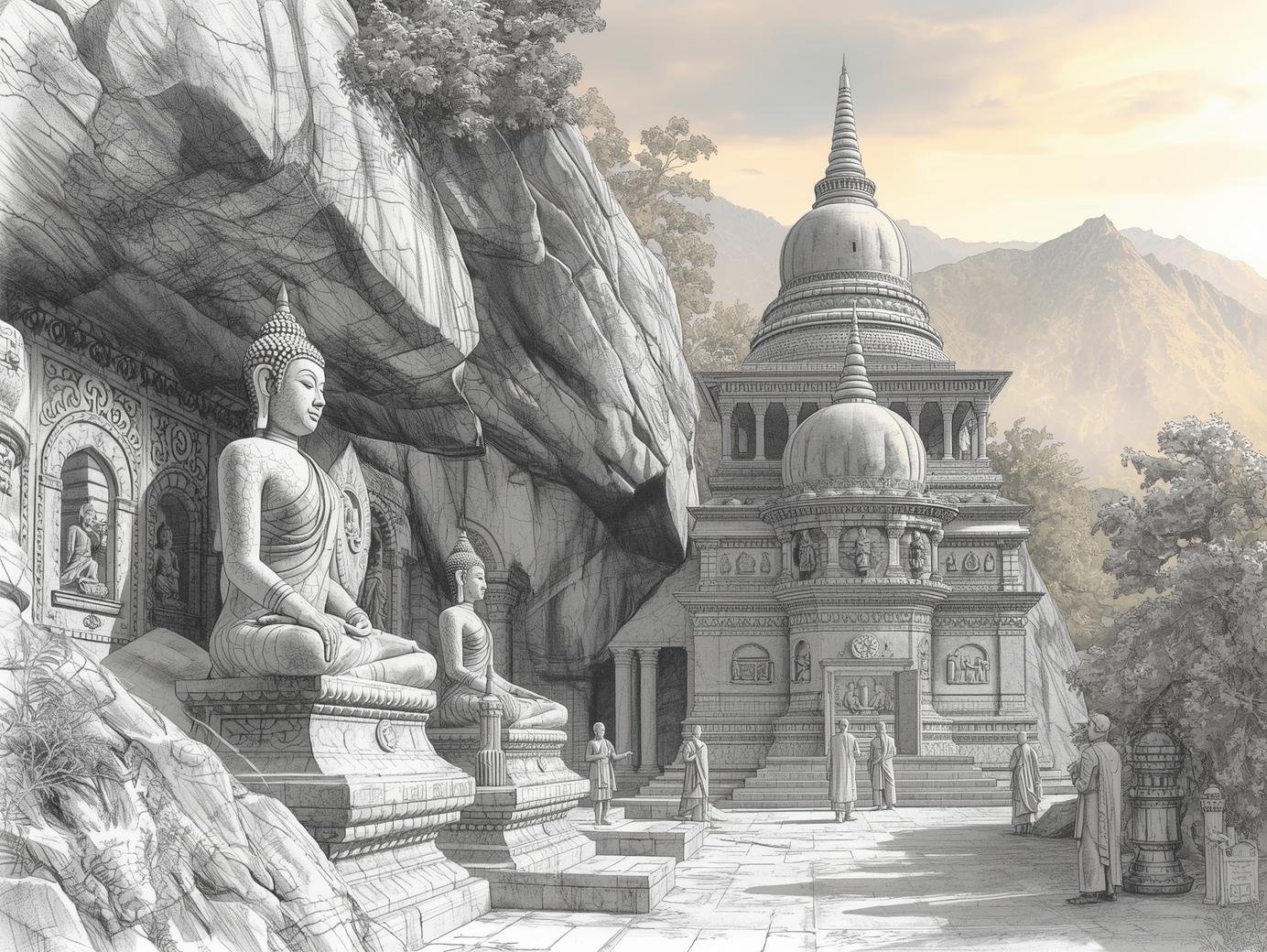
The Gandhara Civilization is celebrated for its distinctive Buddhist art style, a graceful fusion of Greek (Hellenistic) and South Asian influences. Flourishing between the 1st and 5th centuries CE under the Kushan Empire, Gandhara became a center of sculpture, spirituality, and cultural exchange.